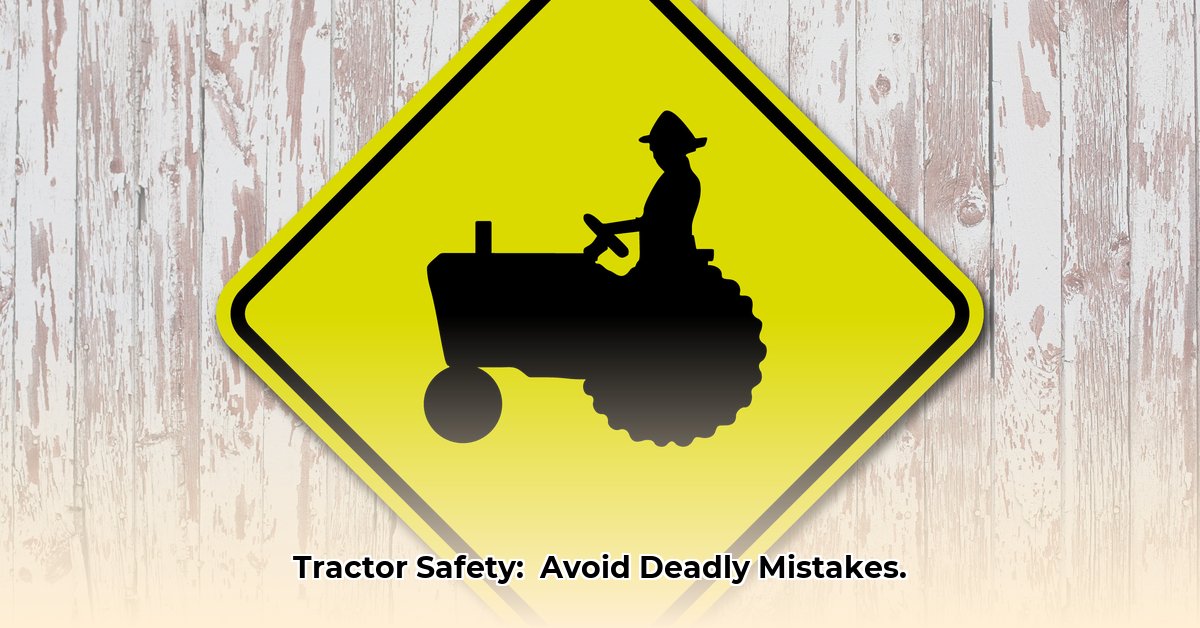
Understanding the Market for Tractor Crossing Signs
Farming is demanding, but it shouldn't be dangerous. Sharing rural roads with tractors presents significant safety risks, underscoring the critical need for effective signage. This article explores the current state of tractor crossing signage, highlighting best practices, technological advancements, and the regulatory landscape. For more information on rural road accidents, see this recent news report.
A key challenge is the lack of standardized data on sign effectiveness. While numerous types of signs exist—varying in size, material (aluminum is a common durable choice), and design—we lack sufficient evidence to definitively state which design most effectively prevents accidents. This information gap hinders informed decision-making among farmers and policymakers alike. The market offers a range of options, from simple, inexpensive signs to more durable, high-visibility models featuring reflective materials and additional features like flashing lights. However, the absence of rigorous studies comparing efficacy complicates the choice of the most effective signage.
Best Practices for Choosing and Placing Tractor Crossing Signs
Effective signage hinges on maximizing visibility and durability. Here’s a step-by-step guide:
Maximize Visibility: Employ highly reflective materials and bold, clear lettering. Larger signs are inherently more visible. Consider using universally understood symbols alongside text.
Strategic Placement: Place signs at a sufficient distance to allow drivers ample reaction time, considering typical traffic speeds and potential visual obstructions. Multiple signs are often necessary for extended crossings.
Prioritize Durability: Choose materials resilient to harsh weather conditions and potential damage. Aluminum is a popular choice for its strength and weather resistance.
Enhance with Supplementary Measures: Consider adding flashing lights or other visual cues, particularly in low-light conditions or areas with limited visibility.
Ensure Consistency: Maintain consistent signage design and placement across your property to improve driver recognition and predictability. Adherence to local regulations is equally important.
Embracing Technological Advancements
Smart technology holds significant promise for enhancing tractor crossing safety. Imagine signs that automatically adjust brightness based on ambient light, or communicate directly with driver assistance systems. However, the high cost, potential reliability issues, and the need for robust cybersecurity measures present challenges to widespread adoption. Thorough risk assessment is crucial before widespread implementation.
Navigating the Regulatory Landscape
The current regulatory landscape presents a significant obstacle. Inconsistent regulations across different jurisdictions create a fragmented approach to safety. This lack of standardization hinders the development and implementation of effective, consistent safety measures. Collaboration between farmers, safety organizations, manufacturers, and government agencies is vital to achieve nationwide consistency.
Case Studies and Future Directions
Further research is urgently needed to evaluate the effectiveness of various signage designs and placement strategies. Collecting and analyzing accident data correlated with specific sign types and locations will allow for data-driven decision-making, moving beyond current speculation. The absence of such data limits our understanding of what truly constitutes "best practice."
Acting Now for Enhanced Safety
Here's a call to action for all stakeholders:
- Farmers: Invest in high-quality, visible signs based on best practices outlined here. Prioritize placement and consider supplementary measures.
- Safety Organizations: Advocate for standardized regulations and fund research to evaluate sign effectiveness.
- Manufacturers: Develop innovative, durable, and cost-effective signage incorporating technological advancements where appropriate.
- Government Agencies: Promote safety campaigns and actively pursue consistent, nationwide regulations.
Ultimately, preventing accidents requires a unified effort. By working collaboratively, we can make rural roads safer for everyone.